
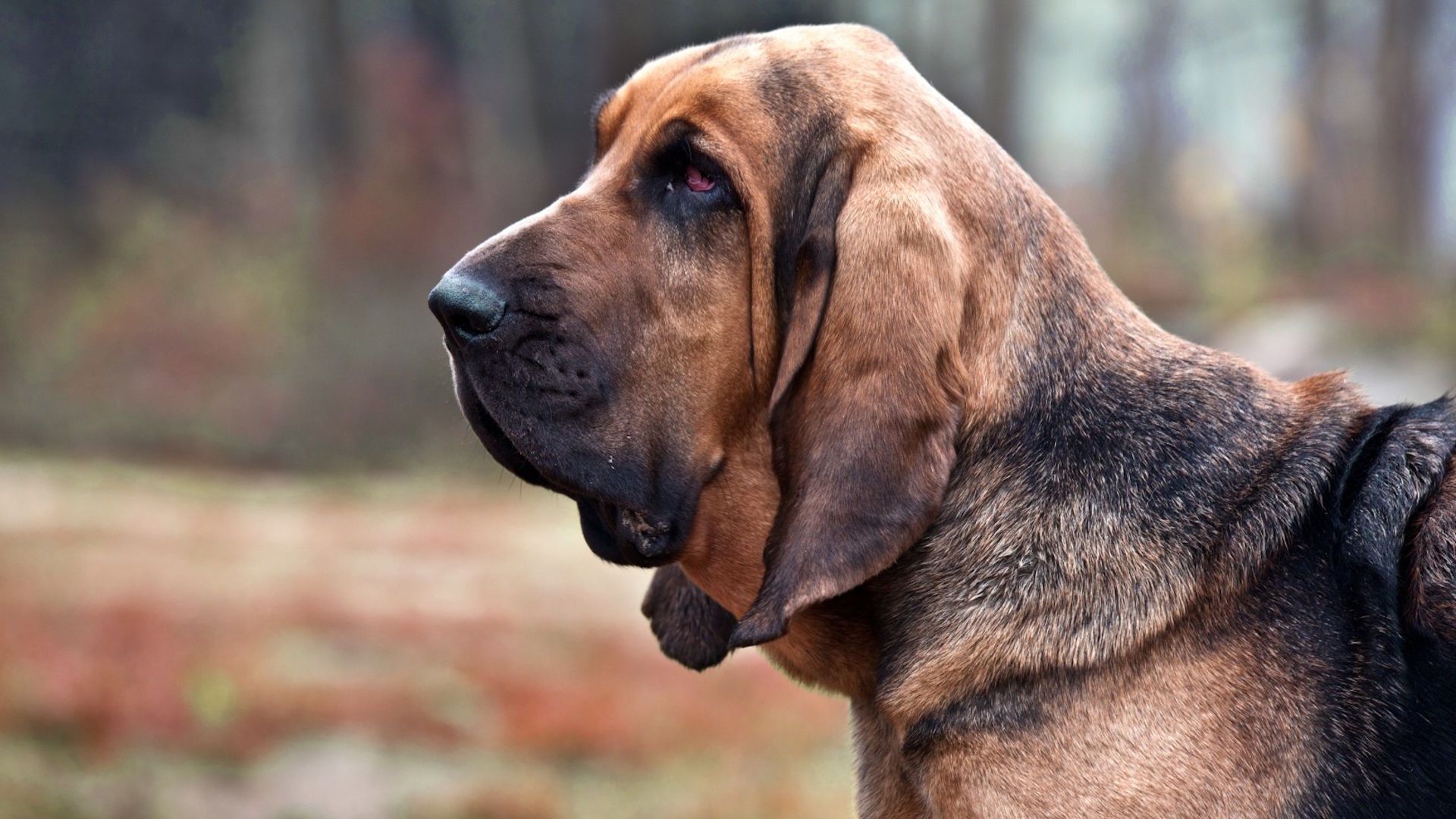
The Bloodhound is a legendary scent hound renowned for its incredible tracking ability and gentle demeanor. With a history that spans centuries, this breed has been used for hunting, search and rescue, and even in law enforcement to track missing individuals and fugitives. Their unmatched sense of smell, droopy ears, and wrinkled face make the Bloodhound a highly distinctive and cherished breed.
Core Traits of the Bloodhound:
Superior Scenting Ability: Bloodhounds have the most acute sense of smell among all dog breeds, capable of following trails for days, even across great distances.
Large, Sturdy Build: This breed is large and muscular, with a powerful frame that complements their endurance and ability to track in challenging terrains.
Drooping Ears: Their long, pendulous ears help funnel scents toward their nose, enhancing their tracking ability.
Wrinkled Face: Bloodhounds’ characteristic loose skin around the face and neck helps trap scent particles, aiding their tracking efficiency.
Gentle Temperament: They are known for their kind and affectionate nature, making them wonderful family pets despite their hunting origins.
Energetic Personality: Bloodhounds are active and require regular exercise to prevent boredom and maintain their physical and mental health.
Independent Thinkers: While intelligent, they can be stubborn and single-minded, particularly when focused on a scent trail.
Resilient and Tenacious: Once they pick up a scent, Bloodhounds are relentless in their pursuit and will follow it with remarkable determination.
Friendly and Social: They generally get along well with children, other dogs, and even strangers, though early socialization is essential.
Historical Significance: With a lineage that dates back to medieval Europe, Bloodhounds have played vital roles in tracking and search work for centuries.
The history of the Bloodhound is steeped in tradition. Believed to have originated in medieval France or Belgium, this breed was carefully refined by monks in the St. Hubert Monastery, earning them the name "St. Hubert Hounds" in their early years. The breed was later introduced to England, where it became known as the Bloodhound due to its "blooded" (noble) lineage and hunting prowess.
Bloodhounds were originally bred to track game animals, such as deer and boar, but their extraordinary scenting ability soon gained recognition for other uses, including tracking missing persons and fugitives. Their skill was so reliable that evidence gathered by Bloodhounds has even been admissible in court. Today, Bloodhounds are still widely used in search and rescue operations and law enforcement, as well as being cherished family pets.
At home, Bloodhounds are gentle and affectionate companions that bond deeply with their families. They thrive on human interaction and are known for their friendly demeanor. However, their tracking instinct is always present, and they may wander off or become overly focused on scents if not properly managed. Early training and consistent boundaries are essential to managing their independent nature.
Physically, the Bloodhound is a striking breed. Their loose skin, droopy ears, and soulful eyes give them a distinctive appearance that is both noble and endearing. Their coat is short and dense, usually in shades of black and tan, liver and tan, or red, requiring minimal grooming aside from regular brushing to reduce shedding.
Bloodhounds are active dogs that require ample exercise to stay healthy and happy. Long walks, outdoor playtime, and opportunities to use their tracking instincts are ideal activities for this breed. Without proper outlets for their energy, they may become bored and destructive. A secure yard and leash are essential to prevent them from following their nose and wandering off.
While generally healthy, Bloodhounds are prone to certain breed-specific health issues, such as bloat, hip dysplasia, and ear infections. Owners should be vigilant about these conditions and ensure regular veterinary care. Cleaning their ears and keeping their facial wrinkles dry and clean can help prevent infections and skin problems.
Despite their gentle nature, Bloodhounds can be stubborn, especially when it comes to training. Positive reinforcement, patience, and consistency are key to working with this breed. They excel in activities that involve scent work, making them well-suited for specialized tasks and competitions.
Overall, the Bloodhound is a remarkable breed that combines unmatched tracking ability with a loving and gentle personality. They thrive in homes where they can receive plenty of attention, exercise, and opportunities to use their extraordinary sense of smell.
Breed Standards
The Bloodhound stands 23-27 inches tall at the shoulder and weighs 80-110 pounds, with males typically larger than females. Their coat is short and dense, often in colors such as black and tan, liver and tan, or red. They feature long, drooping ears, deep-set eyes, and a loose, wrinkled skin that aids in scent tracking. Their gait is strong and purposeful, showcasing their endurance and agility. Known for their gentle nature and keen scenting ability, Bloodhounds are a blend of power, resilience, and charm.